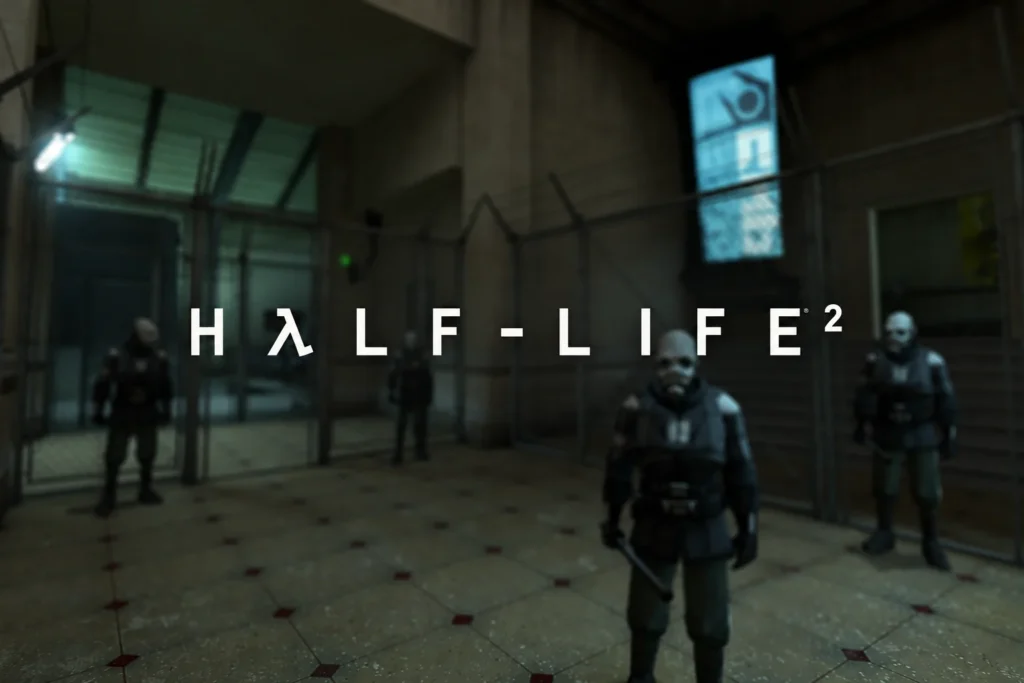
Updated 26 October 2026: the port is offline. hl2.slqnt.dev and meow.slqnt.dev return 404, and every Internet Archive capture since September shows the same; the page now leads with the shutdown and the legal position of the port.
The Half-Life 2 browser port at hl2.slqnt.dev is offline: on 26 October 2026 the address returns HTTP 404. So does meow.slqnt.dev, the browser Counter-Strike build from the same developer. The portfolio at slqnt.dev still loads; the game subdomains serve nothing. Internet Archive captures of hl2.slqnt.dev from 18 September to 14 October 2026 all record the same 404.
Is hl2.slqnt.dev still online?
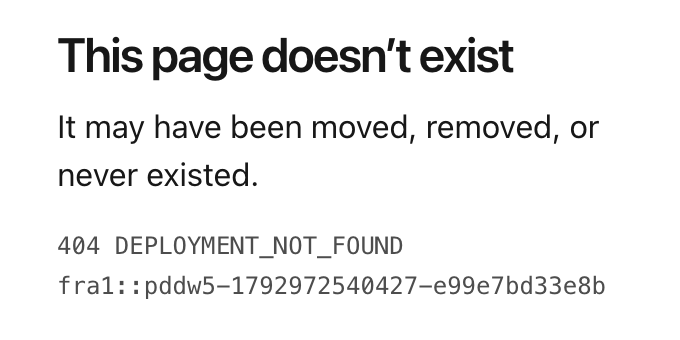
No. A request on 26 October 2026 returns HTTP 404, with no maintenance notice and no redirect. The subdomain still resolves, so the DNS record is intact and the content is gone. That pattern fits a removal by whoever controls the domain. The archived snapshots cannot run the game either, because the port streamed its map data from the origin server, and that server no longer answers.
Did Valve send a takedown?
No public confirmation exists. Valve has published no statement, and no outlet has reported a filed notice. One social media post claims that takedowns hit the Counter-Strike, Portal 2 and Half-Life 2 browser builds together; that claim is unverified.
The pattern is verifiable: all of the developer’s game subdomains went dark in the same period while the portfolio stayed up. Coverage in June and July already treated removal as a matter of time. On 5 July, Tom’s Hardware noted that the port had been online for about two weeks and could face a DMCA takedown from Valve at any point.
Is any Half-Life 2 browser mirror working?
meow.slqnt.dev also returns 404, and the Portal 2 browser build that the same developer released in August 2026 is gone from public listings. A copy that still works somewhere redistributes Valve’s game files without permission, and it can disappear at any moment.
Did the web port need a Steam copy of Half-Life 2?
No, and that was the core problem. Club386 reported that the port did not ask for proof of ownership. The site served the game data itself: the developer took assets from Half-Life 2’s legacy Steam branch and repacked the VPK archives into per-map files that streamed on demand.
The browser GTA Vice City project worked the other way and asked for proof of purchase. A mod that loads content from your own install fits the rules; a website that hands the content to every visitor creates a distribution problem.
What the port needed to run
A desktop browser with WebGL 2. The Source engine’s C++ was compiled to WebAssembly with Emscripten, and rendering went through a ToGLES layer that mapped OpenGL ES calls onto WebGL 2. Chrome was the reference browser, and the first start built a shader cache for a few minutes. Tom’s Hardware measured over 100 FPS at maximum settings on a Ryzen 7 7700X with a Radeon RX 6700 XT. Facial animations were off, eye textures were missing, Bink video screens did not play and key rebinding was unavailable. Phones needed a keyboard or a gamepad, because there were no touch controls.
How Valve’s mod rules apply
Valve’s Steamworks documentation states that mods can only redistribute their own files and must load game content from a local install, and that free mods stay non-commercial. The browser port shipped Valve’s assets from a public server to visitors who owned nothing.
The engine side had its own problem. The port came from a community Portal web build, which forked a modified Source engine repository based on 2017 code that leaked publicly in 2020. Valve’s Source 1 SDK licence covers free, non-commercial games built on the official SDK, and code from a leak was never part of that grant. Valve has tolerated a lot of fan work for two decades, and it has also removed fan projects built on leaked code.
How to play Half-Life 2 today
Half-Life 2 on Steam is the legal and reliable route, and the native build runs better than any browser layer. If a web build appears at a new address, the same legal exposure applies to it.
Frequently asked questions
Is hl2.slqnt.dev down for everyone?
Yes. The address returns HTTP 404 on 26 October 2026, and archived captures since September show the same response, so the outage is on the server side.
Was the Half-Life 2 browser port legal?
It conflicted with Valve’s rules. Valve allows mods that load content from your own install; the port served Valve’s game files to anyone and was built on leaked engine code.
Did the browser port work on phones?
Barely. There were no touch controls, so a phone needed a physical keyboard or a gamepad, and Tom’s Hardware could not get the mobile version to run in its test.
Sources
- Valve, Steamworks: Distributing Source Engine games and mods
- Tom’s Hardware, Half-Life 2 in the browser, 5 July 2026
- Club386, Play Half-Life 2 in your browser
Prepared by the GamerMarkt editorial team, with some help from AI tools; some images may be AI-generated.